LED Curing Adhesive; What's The Deal?
You've probably been seeing a lot of chat about LED curing adhesive lately.
If you haven't, buckle up, because it's about to be everywhere.
Let me break it down for you.
So what actually is it?
Traditional lash adhesive (cyanoacrylate, the stuff we've all been using forever) cures via moisture. It needs the humidity in the air, and sometimes a nano mister, to polymerise and set. It's temperamental, it's fumey, and it has a cure time that can range from a half a second to "please stop moving, I beg you."
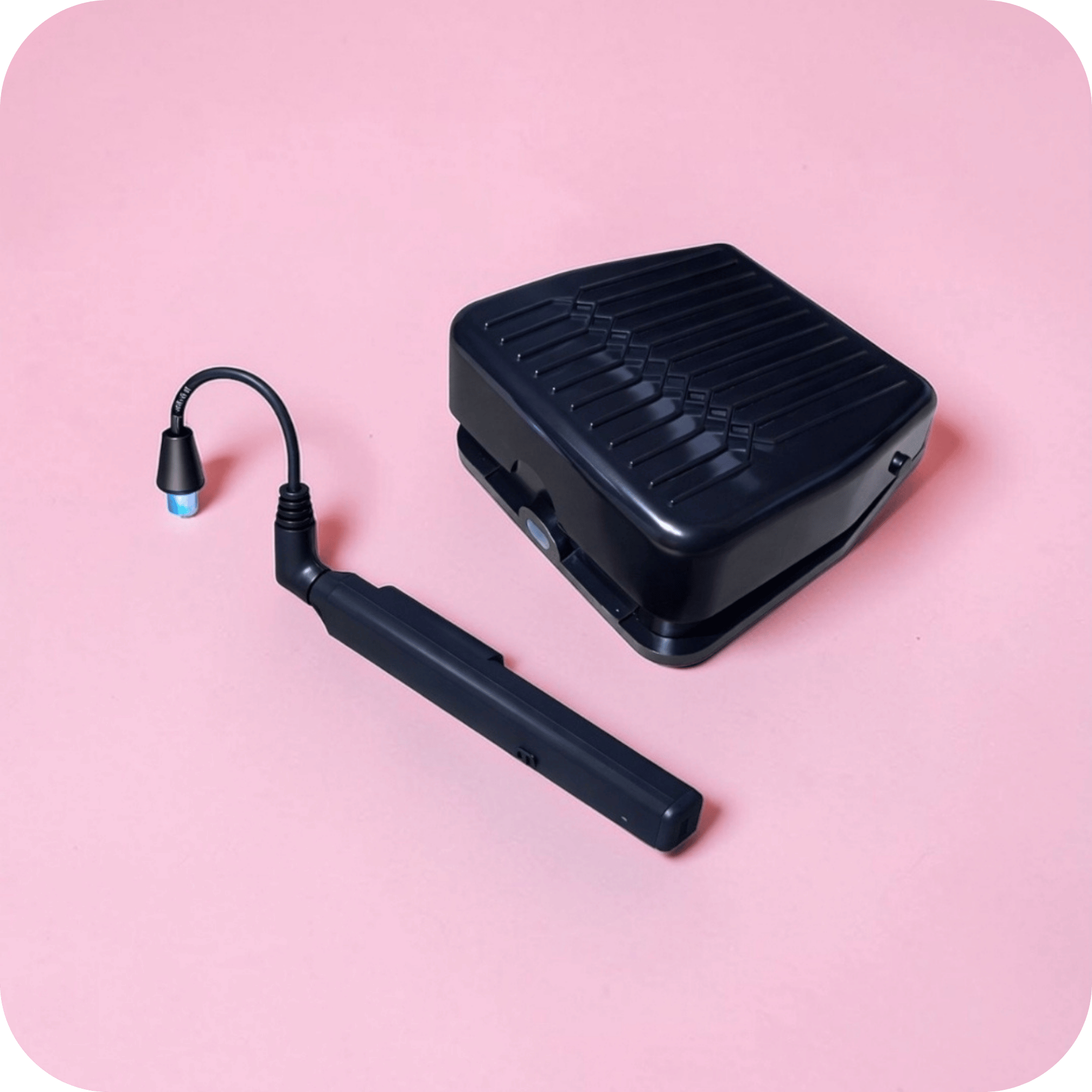
LED curing adhesive works differently. It's a photopolymer adhesive, which means it stays workable until you cure it yourself with an LED light. You place the extension, you're happy with it, you cure it. Done. No waiting around hoping for the humidity gods to smile upon you.
Why does this matter?
A few reasons:
1. You are completely in control of the cure. This is the big one. With traditional adhesive, you're always racing against the clock.
Too fast and you can't adjust the placement, too slow and lashes are sticking together while you blink at them. With LED adhesive, that bond doesn't set until you say so. You can perfect your placement before committing. Perfectionists, rejoice.
2. Fumes are dramatically reduced. Cyanoacrylate fumes are no joke. If you've been lashing for a while you've probably had at least one client with sensitivity, and maybe even experienced some eye irritation yourself. LED adhesive produces significantly less fume during application, which is a big deal for both you and your client, especially anyone with sensitivities.
3. No more humidity panic. Traditional adhesive has an optimal humidity window, and if you're working outside of that range your retention will suffer. LED adhesive takes that variable almost entirely out of the equation. Hot New Zealand summer? Freezing Wellington winter? Doesn't matter. Your adhesive isn't curing until the light hits it.
4. Longer working time = better lash artists. New techs especially! The pressure of traditional adhesive curing under your tweezers is real. Having a longer, controllable working time means you can focus on technique instead of speed. Better placement = better retention = happier clients = you're winning.
What's the catch?
There are a couple of things to be aware of.
You do need the LED lamp to cure the adhesive. It's an extra piece of kit to factor in, and you need to build the curing step into your workflow. It feels a bit different at first, but everyone I have spoken to have gotten used to it very quickly.
The adhesives currently on the market also vary in quality, so like anything new, do your research before committing to the first one you find.
And while the fumes are reduced, you're still working near the eye area with a chemical product so good ventilation and proper hygiene practices still apply, always.
Is it going to replace traditional adhesive?
Honestly? I think for a lot of techs, yes. The control it gives you is genuinely game changing, and as the products improve and become more widely available, I'd expect to see a big shift in the industry over the next couple of years.
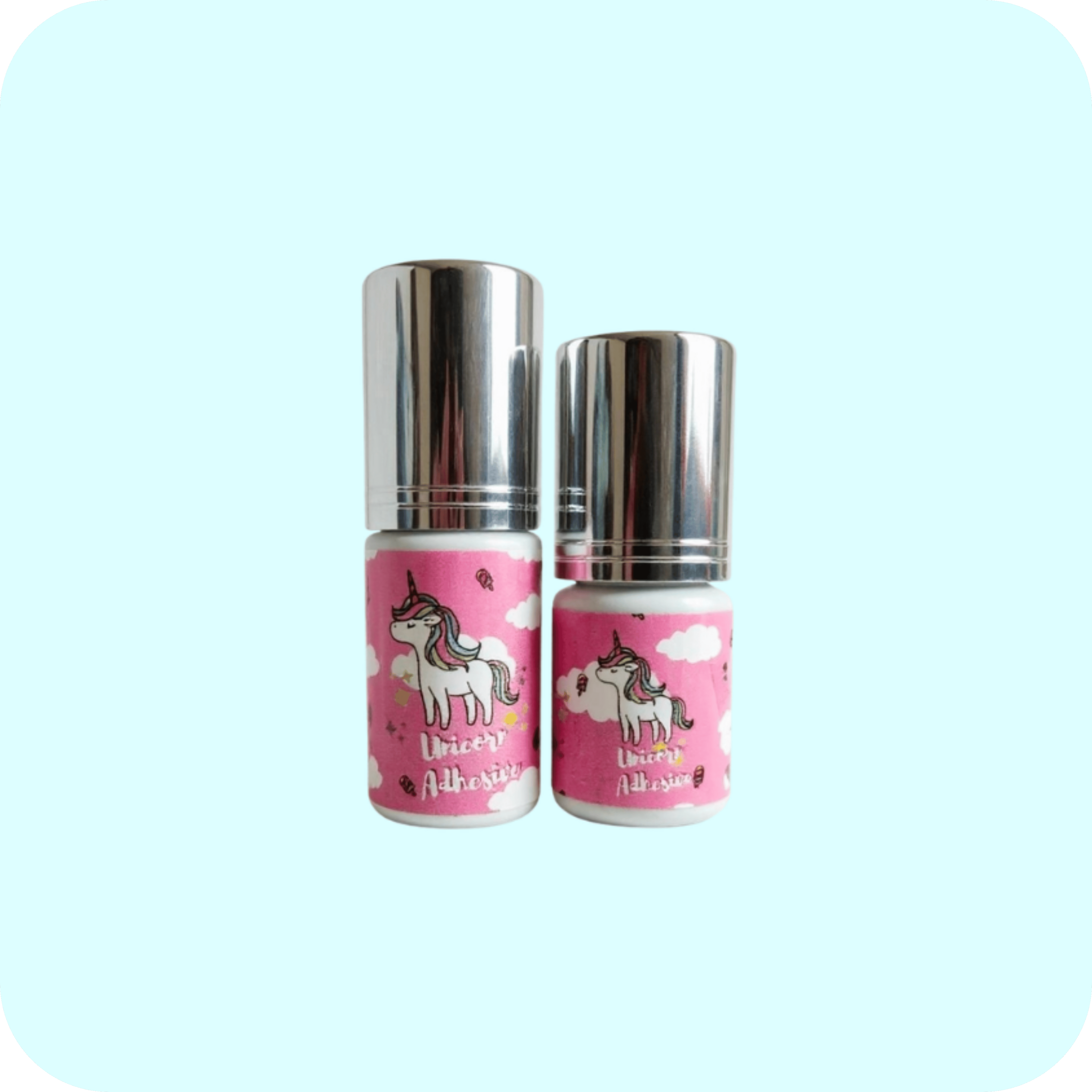
Since stocking the Instant LED adhesive I have switched completely to this system.
It has reduced sensitivities, improved retention, and I haven't had a single person develop a new allergy since switching.
If you haven't tried this new adhesive, I strongly endorse!